

CONTENTS
Introduction to Keyword Research
Why Keyword Research Matters in SEO
How Keywords Influence Search Rankings
What Makes a Great Keyword Research Tool
Data Accuracy and Search Volume
Competitive Analysis Features
Ease of Use and Interface
Top Keyword Research Tools for SEO
Google Keyword Planner
Best Use Cases
Ahrefs Keywords Explorer
Why SEO Professionals Love It
SEMrush Keyword Magic Tool
Ideal Use Cases
Moz Keyword Explorer
Key Features
Ubersuggest
Best for Beginners
Free vs Paid Keyword Research Tools
When Free Tools Are Enough
When Paid Tools Are Worth It
Keyword Research Strategies Using These Tools
Finding Long-Tail Keywords
Analysing Competitor Keywords
Identifying Search Intent
Common Keyword Research Mistakes
Ignoring User Intent
Targeting Only High Volume Keywords
Forgetting Keyword Difficulty
Future Trends in Keyword Research
AI-Driven SEO Tools
Search Intent and Semantic SEO
2026 SEO Tool Additions
Surfer
Clearscope
Gumloop
SE Ranking
Screaming Frog SEO Spider
Content King
Conclusion
FAQs
Search engine optimisation without keyword research is like trying to navigate a city without a map. You might move forward, but chances are you’ll wander and miss the destinations that matter most.
Keyword research tools help marketers uncover what people are actually searching for online. They reveal search volumes, competition levels, trends, and related queries. With the right tool in your arsenal, you can discover golden opportunities—keywords that drive traffic, leads, and ultimately revenue.
Let’s explore the best keyword research tools available today and how they can transform your SEO strategy.
Introduction to Keyword Research
Keyword research is the process of identifying the words and phrases people type into search engines when looking for information, products, or services.
Imagine running a café but placing your sign where no one walks. That’s what publishing content without keyword research looks like.
By using keyword tools, you ensure your content aligns with real search demand.
Why Keyword Research Matters in SEO
Keyword research is the backbone of any successful SEO campaign. According to industry studies, over 68% of online experiences begin with a search engine, making keyword targeting essential for visibility.
Benefits include:
How Keywords Influence Search Rankings
Search engines like Google analyse keywords to understand page relevance. If your content aligns closely with what users search for, your chances of ranking increase dramatically.
However, modern SEO is no longer about stuffing keywords everywhere. Instead, it focuses on context, intent, and semantic relevance.
What Makes a Great Keyword Research Tool
Not all keyword tools are created equal. The best ones offer reliable data, useful insights, and features that streamline your SEO workflow.
Data Accuracy and Search Volume
Search volume estimates help you determine how many people search for a keyword each month. Reliable tools pull data from large datasets and update frequently.
Accurate data ensures you’re targeting keywords that can realistically drive traffic.
Competitive Analysis Features
Great tools don’t just show keywords—they reveal:
These insights help you understand how hard it will be to rank.
Ease of Use and Interface
Even the most powerful tool becomes frustrating if it’s difficult to navigate. The best keyword platforms combine powerful analytics with user-friendly dashboards.
Top Keyword Research Tools for SEO
Let’s explore some of the best keyword research tools used by SEO professionals worldwide.
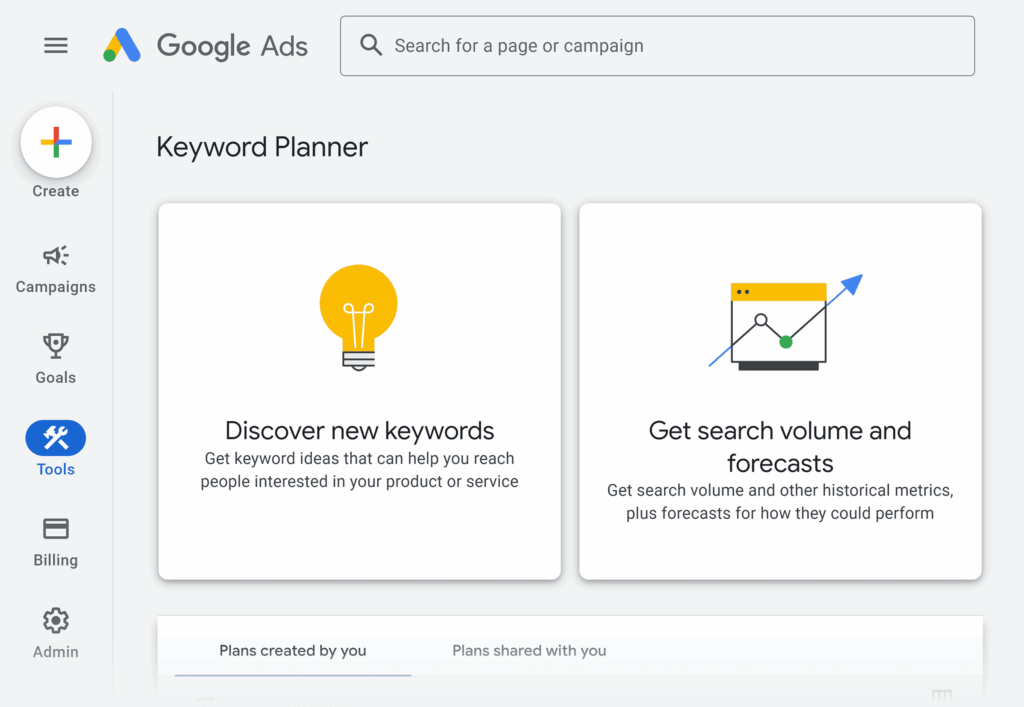
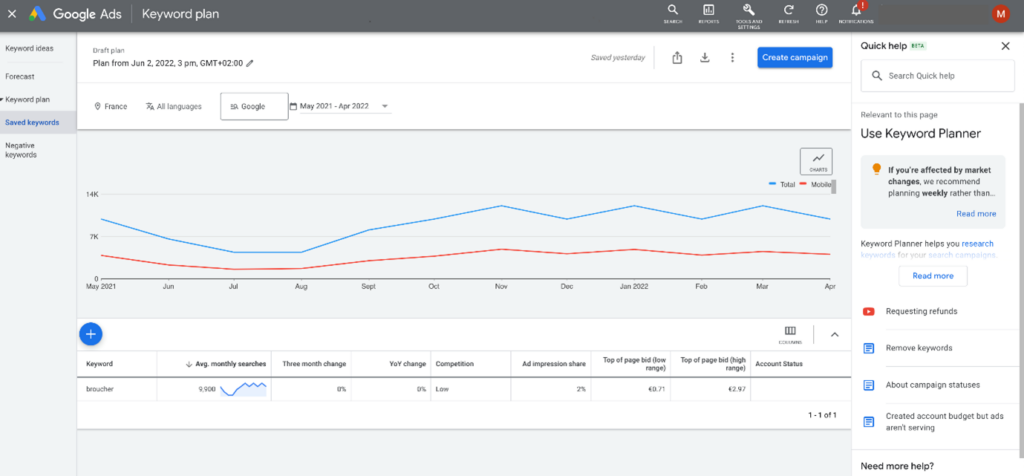
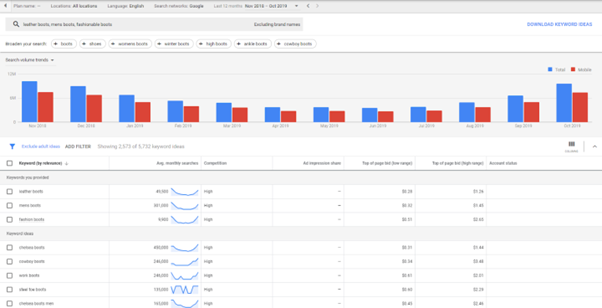
Keyword
One of the most widely used tools is Google Keyword Planner, available through the Google Ads platform.
Because the data comes directly from Google, it provides reliable search volume estimates and keyword suggestions.
Best Use Cases
Best of all, it’s completely free, making it perfect for beginners or small businesses.
However, its limitations include less granular competition metrics compared to premium tools.
One standout feature is the keyword grouping system, which helps build structured content strategies quickly.
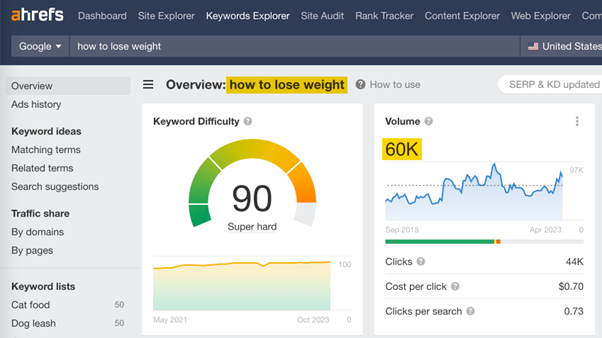
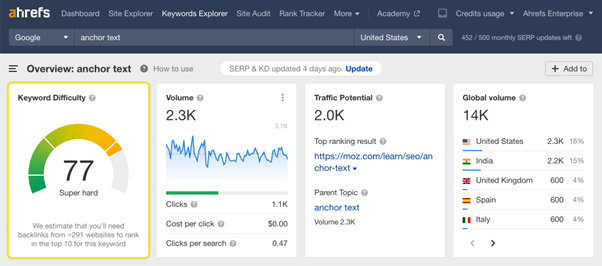
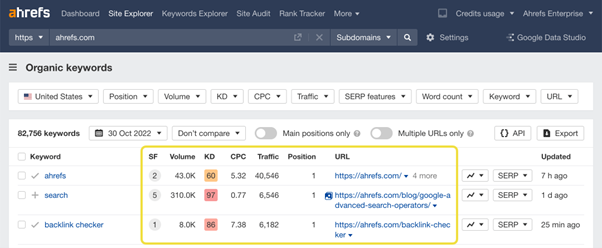
Developed by Ahrefs, this tool is a favourite among professional SEO specialists.
Its massive keyword database and advanced metrics make it incredibly powerful.
Key features include:
Why SEO Professionals Love It
Ahrefs goes beyond traditional keyword data. It shows how many clicks a keyword actually generates, which is crucial because not every search leads to a website visit.
For agencies and advanced marketers, it’s one of the most complete SEO toolsets available.
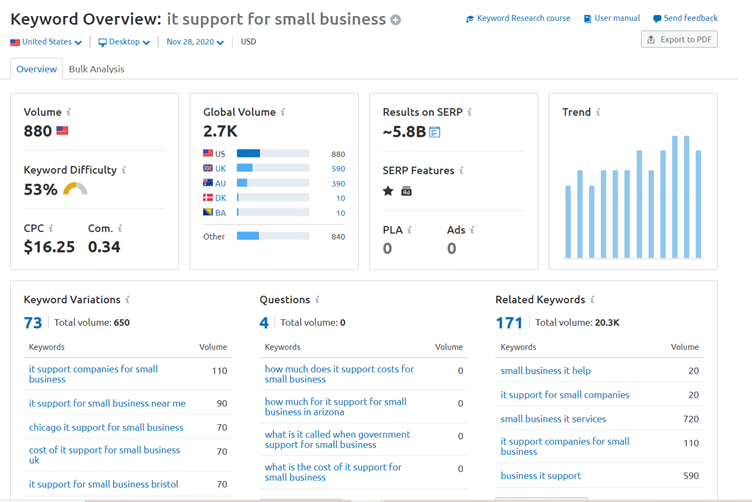
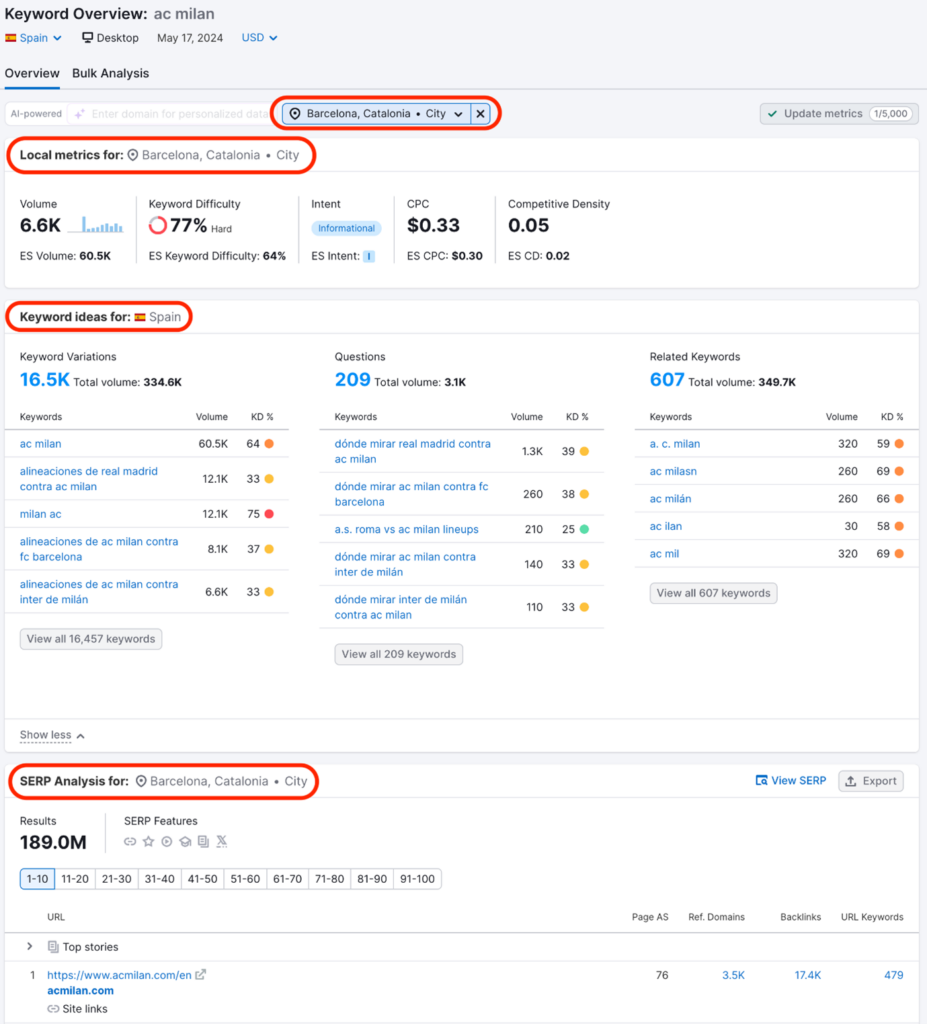
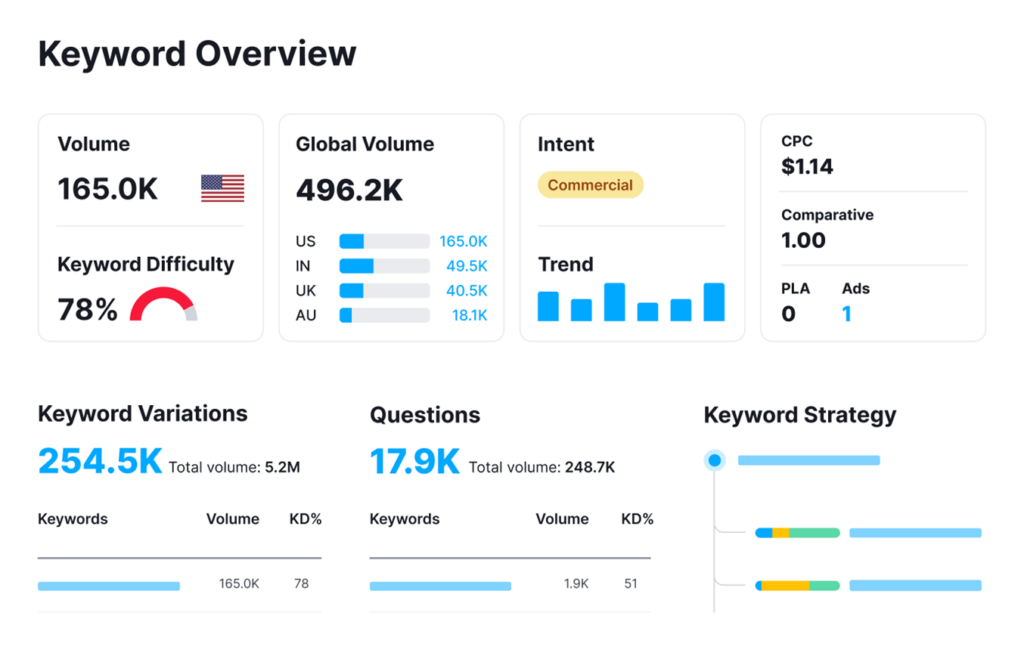
Another powerhouse platform is SEMrush.
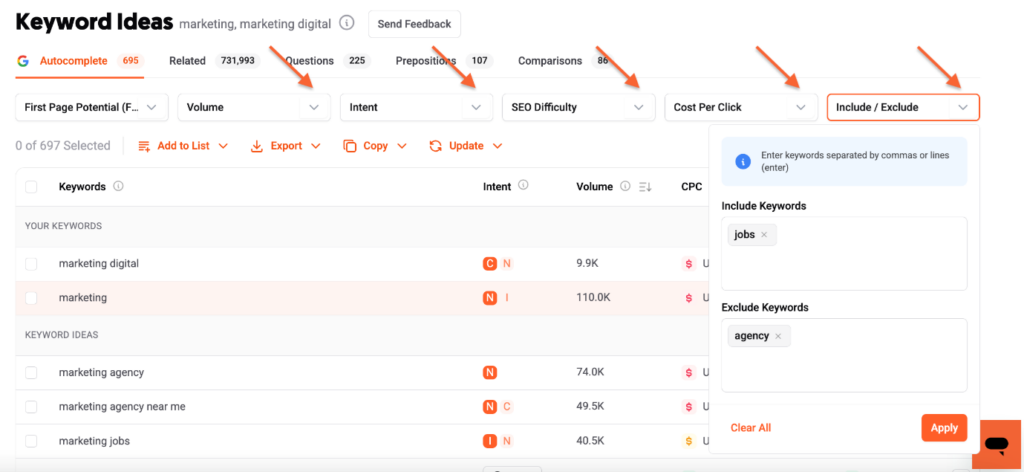
Its Keyword Magic Tool contains a database of billions of keywords and allows users to filter them in extremely detailed ways.
Ideal Use Cases
One standout feature is the keyword grouping system, which helps build structured content strategies quickly.
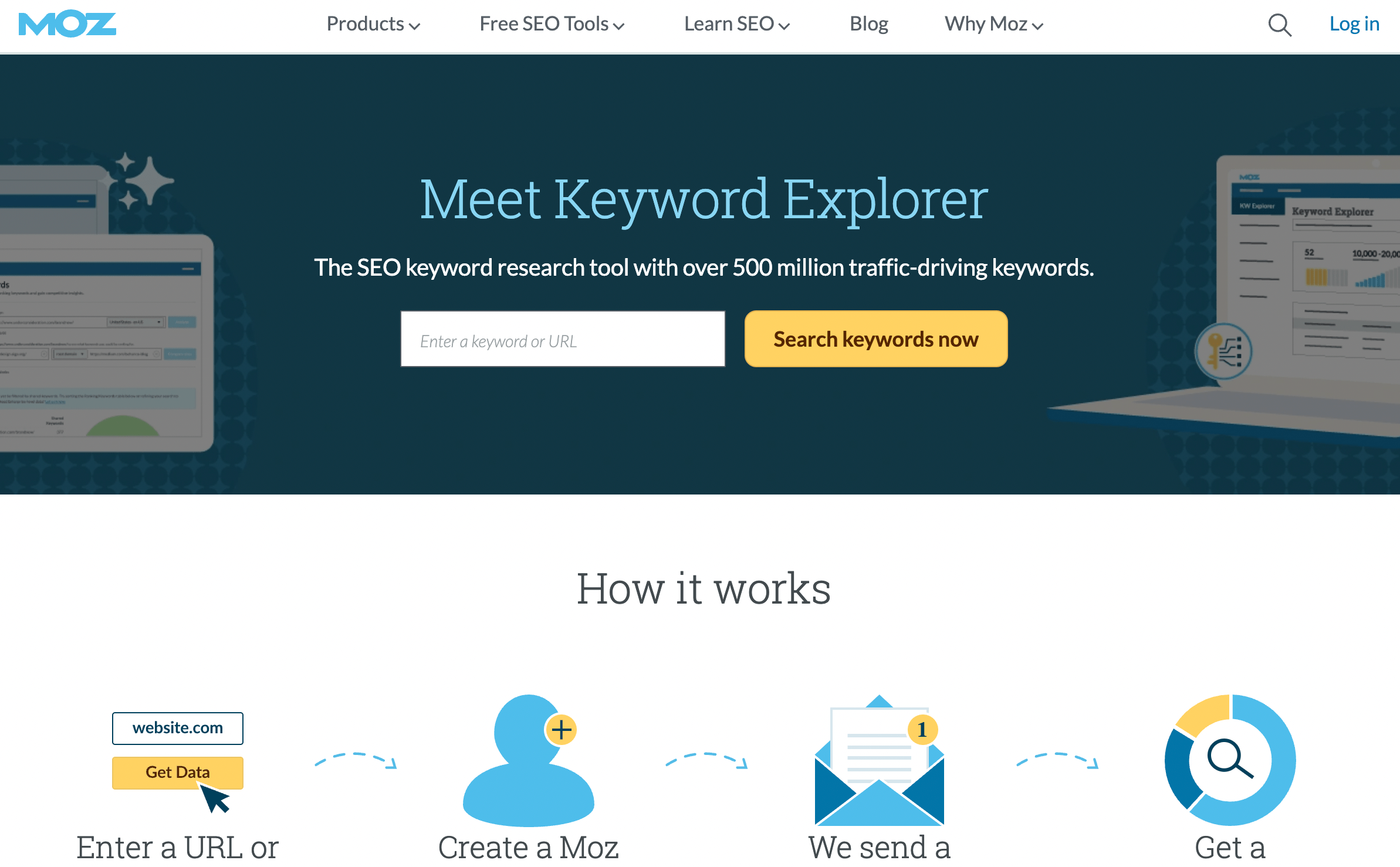
Created by Moz, this tool emphasises simplicity and actionable insights.
Moz provides a unique metric called Priority Score, which combines search volume, difficulty, and click-through potential into one number.
Key Features
For content marketers who prefer a clean and intuitive interface, Moz Keyword Explorer is an excellent option.
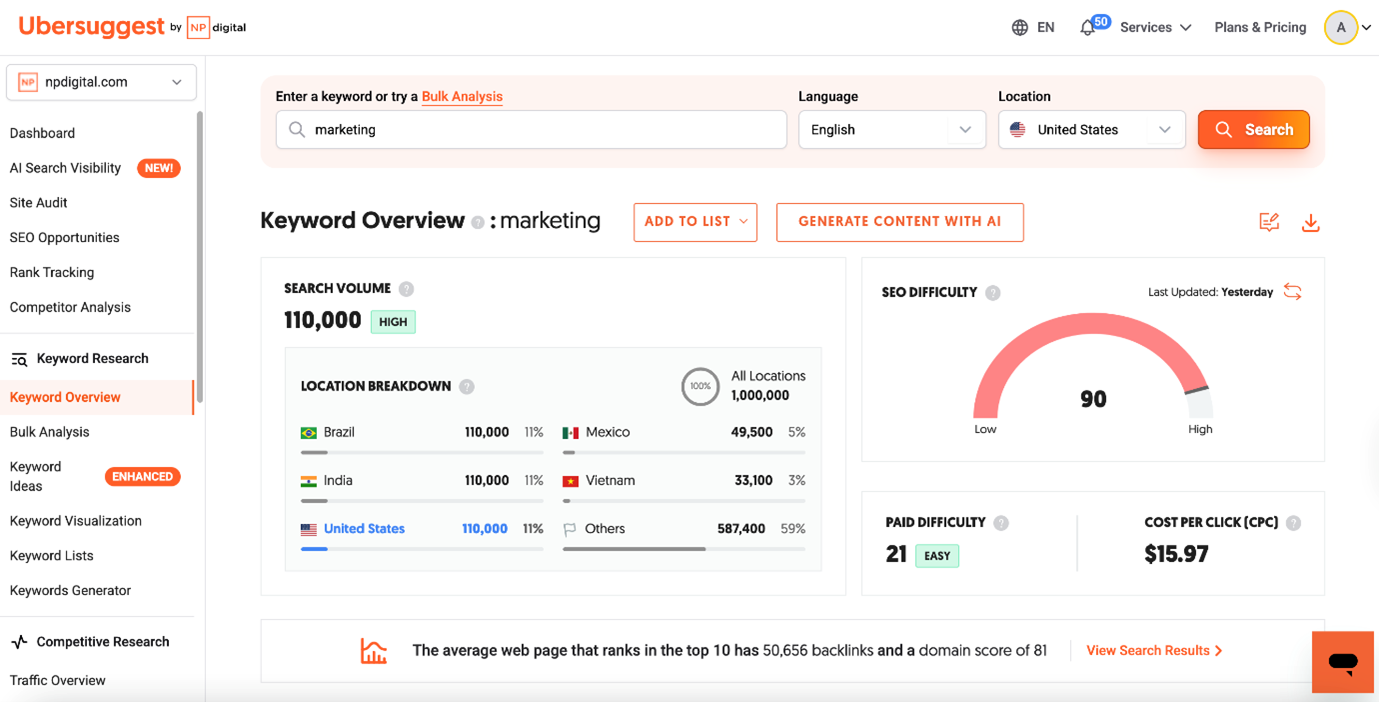
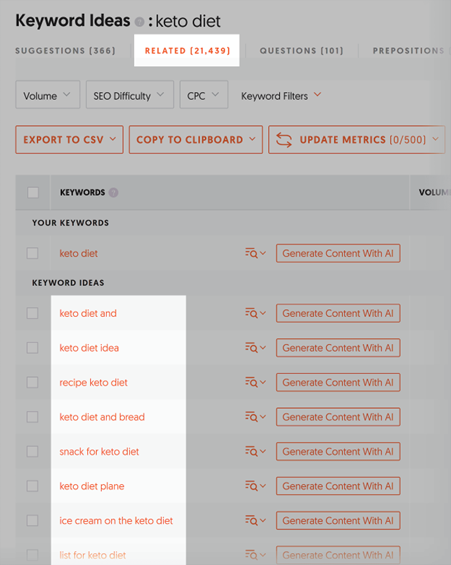
Developed by Neil Patel, Ubersuggest has become a popular entry-level SEO tool.
It offers a combination of keyword research, backlink analysis, and content ideas.
Best for Beginners
Advantages include:
For freelancers or small businesses starting their SEO journey, Ubersuggest offers impressive value.
One of the most common questions in SEO is whether free tools are enough.
The answer depends on your goals.
When Free Tools Are Enough
Free tools work well when:
Tools like Google Keyword Planner can still uncover valuable opportunities.
When Paid Tools Are Worth It
Paid tools become essential when:
Professional SEO teams rely on premium platforms because they provide more comprehensive datasets.
Keyword Research Strategies Using These Tools
Even the best tools are useless without a strategy. Here are a few proven techniques.
Finding Long-Tail Keywords
Long-tail keywords are longer, more specific search queries.
Example:
Long-tail keywords often have lower competition and higher conversion rates.
Analyzing Competitor Keywords
Most modern SEO tools allow you to see what keywords your competitors rank for.
This insight helps you identify:
Identifying Search Intent
Search intent reveals why someone performs a search.
Common intent types include:
Matching your content to search intent significantly improves ranking potential.
Common Keyword Research Mistakes
Even experienced marketers sometimes make mistakes during keyword research.
Ignoring User Intent
A keyword may have huge search volume, but if the intent doesn’t match your content, it won’t convert.
Targeting Only High Volume Keywords
High-volume keywords often have fierce competition.
Instead, aim for a mix of:
Forgetting Keyword Difficulty
Ranking for a keyword with difficulty 80+ can take years without strong authority and backlinks.
Smart SEO strategies balance difficulty with opportunity.
SEO continues to evolve rapidly, and keyword research tools are evolving along with it.
AI-Driven SEO Tools
Artificial intelligence is transforming keyword research by predicting search trends, generating topic clusters, and analysing search intent automatically.
Many modern SEO platforms already integrate AI features to streamline workflows.
Search Intent and Semantic SEO
Search engines increasingly focus on semantic relevance rather than exact keyword matches.
This means content should cover the entire topic rather than repeating the same phrase.
Top SEO tools in 2026 include these new providers:
Surfer: Focused on content optimisation, Surfer helps improve visibility on Google and AI search engines by analysing top-ranking pages and providing actionable recommendations for on-page SEO.
Clearscope: A content optimisation tool that helps writers create SEO-friendly content by analysing top-performing pages and suggesting relevant keywords and topics.
Gumloop: Specialises in SEO automation, allowing marketers to streamline repetitive SEO tasks and workflows, saving time while maintaining optimisation standards.
SE Ranking: Provides rank tracking, competitor analysis, and website audits at a more affordable price point.
Screaming Frog SEO Spider: A technical SEO tool for crawling websites to identify issues like broken links, duplicate content, and metadata problems.
ContentKing: Real-time SEO auditing and monitoring, useful for large websites needing continuous oversight.
What’s Right for You?
Beginners: Start with free Google tools to understand SEO fundamentals.
Content-focused marketers: Surfer or Clearscope for optimising articles and blog posts.
Competitor analysis and keyword research: Semrush or Ahrefs provide comprehensive insights.
Automation needs: Gumloop or SE Ranking can help streamline repetitive SEO tasks.
Using a combination of these tools allows marketers to cover all aspects of SEO, from technical audits and keyword research to content optimisation and AI-driven insights, ensuring a well-rounded strategy for improving search visibility.
Conclusion
Keyword research remains the foundation of successful SEO. Without understanding what people search for, even the best content may never be discovered.
Tools like Google Keyword Planner, Ahrefs, SEMrush, Moz, and Ubersuggest provide the insights needed to uncover high-value keywords and outperform competitors.
The key is not just using these tools—but using them strategically. Focus on search intent, long-tail opportunities, and competitor insights, and you’ll create an SEO strategy that consistently drives traffic.
Google Keyword Planner is widely considered the best free keyword research tool because it provides reliable data directly from Google’s search database.
Most SEO experts recommend focusing on one primary keyword and several related secondary keywords to maintain clear topic relevance.
Yes, especially for businesses and agencies. Paid tools provide deeper analytics, competitor data, and advanced research capabilities.
Long-tail keywords are longer, highly specific search phrases that usually have lower competition and higher conversion rates.
SEO trends change frequently, so keyword research should be updated every 3–6 months to stay competitive and capture emerging search trends.